

Anxiety is when you feel scared, nervous, or panicky about something, even when there isn’t real danger. It’s your body’s natural alarm system. When your brain senses a threat, it switches on the “fight, flight, or freeze” response, an ancient survival mechanism that prepared our ancestors to react quickly to danger. Sometimes this alarm goes off even when there is no real danger.

Today, the “threat” might be an exam, a sports match, or speaking in front of a class. Even though these situations aren’t life-threatening, your body still sets off the same alarm, leaving you on edge or overwhelmed. A little anxiety can actually be helpful, it sharpens your focus and motivates you to prepare. But when it takes over your thoughts, keeps your body stuck on “high alert,” or interferes with school, friendships, or sleep, it can feel overwhelming and deserves attention.
Anxiety in the teenage years can come from many different places. Sometimes it’s clear what’s bothering you, and other times it just feels like your brain is on overdrive for no reason. Here are some of the most common triggers
Academic Pressure:
Worrying about grades, tests, or living up to expectations can feel overwhelming. Fear of failure or performance nerves are major triggers.
Peer Issues & Bullying:
Anxiety often comes from fear of judgment, feeling left out, or being targeted by bullying. This can lead to loneliness or isolation.
Romantic Relationships:
Breakups, rejection, or feeling insecure in a relationship can bring on strong anxious feelings.
Family Conflict & Control:
Harsh criticism, constant arguments, or feeling like you don’t have much independence can add to your stress.
Social Media Pressure:
Comparing yourself to others online, trying to meet unrealistic standards, or worrying about what you post can fuel anxiety.
Trauma or Past Experiences:
Difficult events like harassment, loss, or exposure to violence can create lasting fear and hypervigilance.

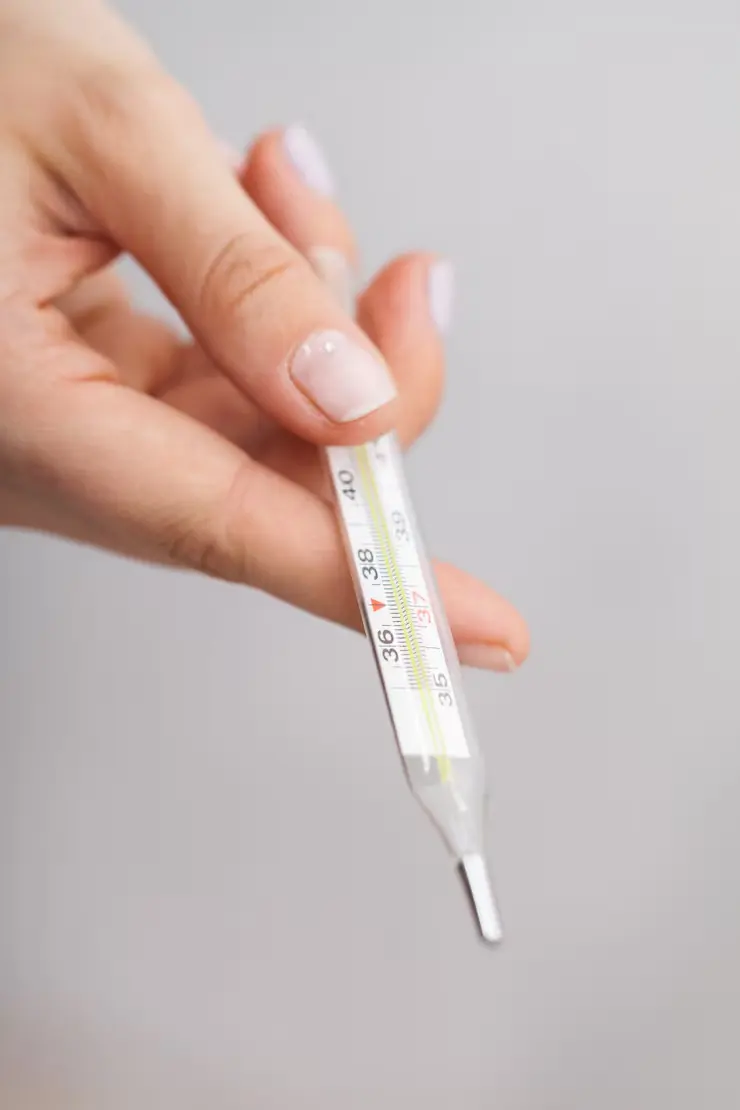
The Anxiety Thermometer is a tool that helps you notice how worried or anxious you feel and what to do about it. Imagine a thermometer that doesn’t measure temperature but instead measures worry, with 1 at the bottom (calm) and 10 at the top (panic-level anxiety). Not every worry feels the same. Some are small, some are bigger, and some feel overwhelming. Using the thermometer helps you see the difference, track your worries, and learn what works best to calm them.
Think of all the things that make you feel worried or stressed. Write them down. Don’t try to order them yet, just get them all out. If it helps, think about situations at school, with friends, at home, or on social media.
Take one worry at a time and ask yourself: Does this feel like a 1 (barely a worry), a 10 (the scariest thing), or something in between? Place each worry at the level that feels right for you.
Now you’ve got a visual “map” of your worries. You can see which things are smaller, which things are bigger, and how they compare to each other. The Fear Thermometer is a way to make your worries visible. Once you can see them, you can start working on how to handle them step by step.
Sometimes anxiety brings a flood of overwhelming thoughts. They can feel so real and urgent that it’s hard to focus on anything else: “I’m going to fail,” “Everyone is judging me,” “Something bad will definitely happen.” These thoughts often make anxiety worse, even when they aren’t fully true.
The purpose of this exercise is to help you pause, question, and challenge these thoughts so they lose some of their power. These are often called the “thinking traps”, common patterns that trick your brain into believing the worst.
blowing things out of proportion (“If I fail this test, my whole life is ruined.”)
→ seeing things as completely good or completely bad (“I got one answer wrong, so I’m a total failure.”)
assuming one bad moment means it will always happen (“I embarrassed myself once, so people will always laugh at me.”)
→ predicting a bad future without real evidence (“The traffic will definitely make us late, and everything will be ruined.”
Join our monthly newsletter to get helpful mental health tips, new tools, upcoming events, and inspiring stories delivered right to your inbox. Everything is designed to support your wellbeing—one gentle step at a time.
Error: Contact form not found.