A craving is an intense desire or longing to use a substance. It can feel really strong, almost like your mind and body are pushing you toward it. These urges usually show up because your brain has learned to connect certain people, places, feelings, or situations with substance use.
It’s important to know that cravings are normal, especially if you’re trying to cut down or quit. They don’t mean you’re weak or that you’ve failed, they’re simply your brain remembering old habits.
Cravings don’t last forever. Most of them fade within 20–30 minutes if you don’t act on them. Think of a craving like a wave at the beach: it rises, reaches a peak, and then falls. You don’t have to fight the wave just ride it out until it passes.

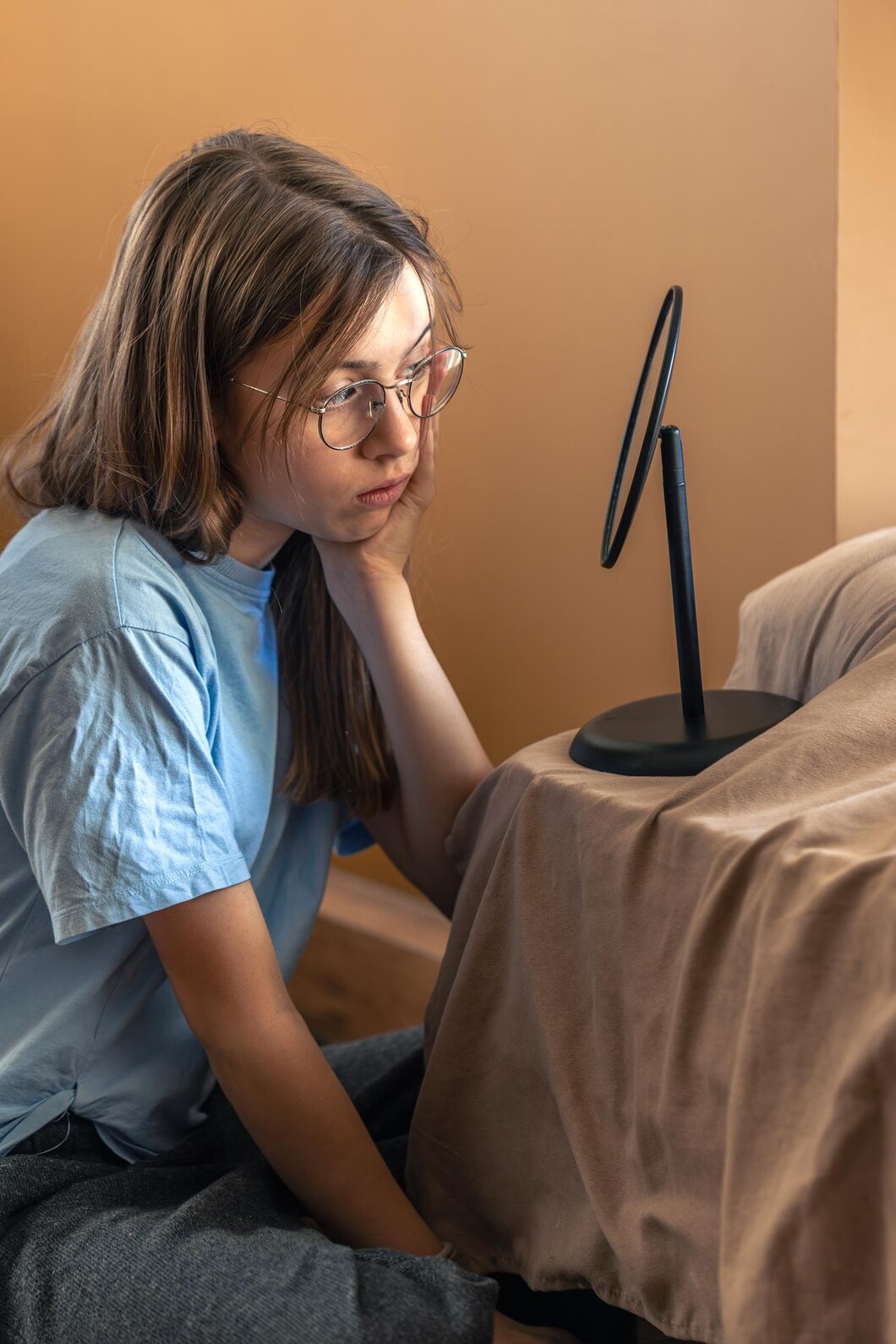
Cravings don’t just show up out of nowhere. They’re usually set off by triggers—people, places, feelings, or times that your brain has learned to connect with substance use. These can be:
People
friends or groups you used substances with
Places
certain streets, hangouts, or even your room
Feelings
stress, boredom, sadness, or even excitement
Times
weekends, late nights, after school, or parties
Learning your triggers is like finding the “on” switch for cravings. The more you notice what sparks them, the easier it gets to plan ahead and take back control.

One of the most powerful tools you can use is a Daily Record of Cravings. When you track your cravings, you’ll start to notice patterns like certain moods, friends, or times of day that make cravings stronger. Once you know your triggers, you can learn to manage them instead of letting them manage you.

Write the date and time when the craving happened.
Describe the event—what was going on right before it started?
Note your thoughts and feelings in that moment.
Rate the craving intensity on a scale of 0–100 (or 1–10).
Record the coping strategy you tried, even if it didn’t fully work.
Join our monthly newsletter to get helpful mental health tips, new tools, upcoming events, and inspiring stories delivered right to your inbox. Everything is designed to support your wellbeing—one gentle step at a time.
Error: Contact form not found.